My Culture · Devbhoomi Himachal

The Nature with Culture.

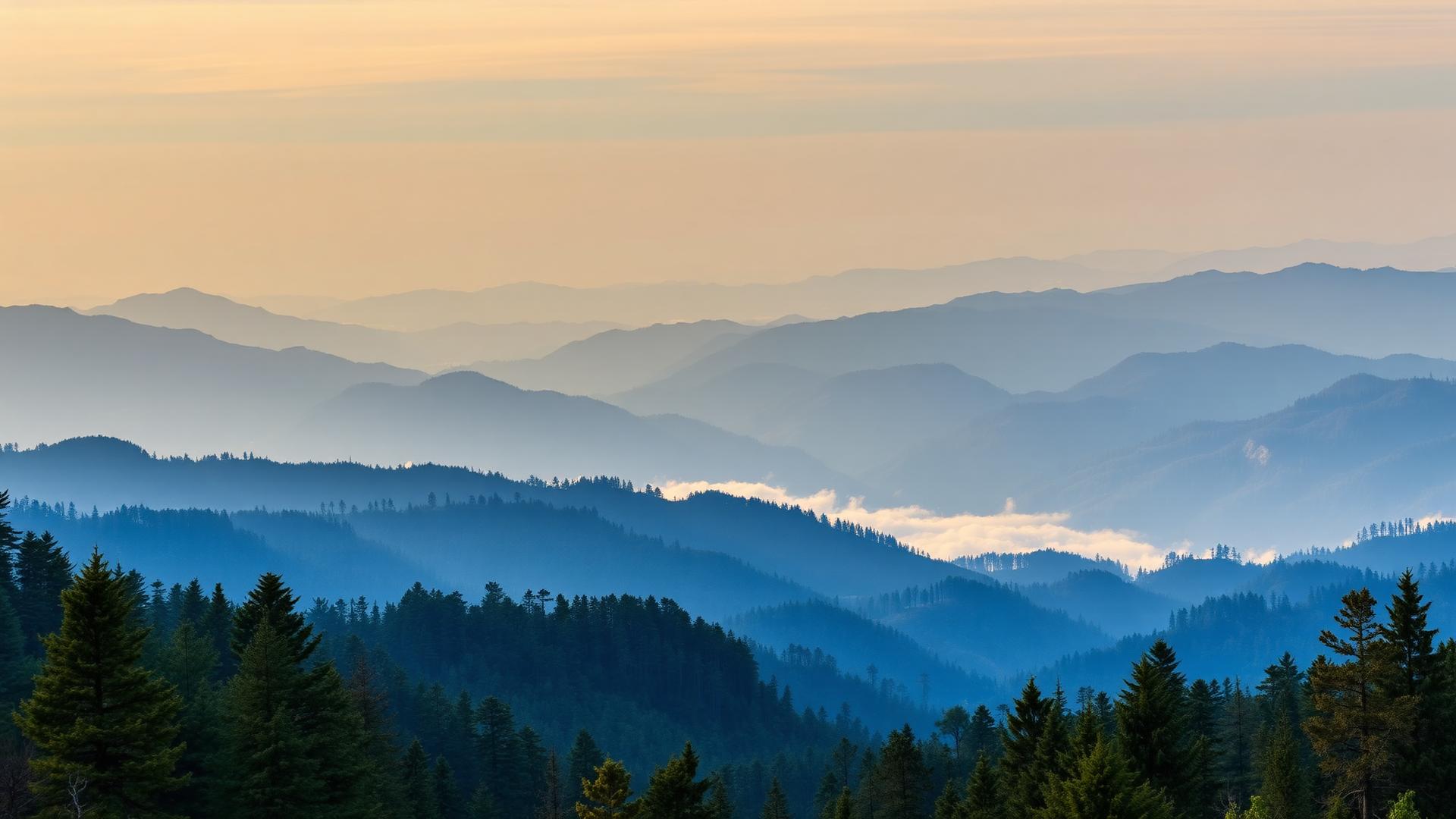
Where I come from — the Trans-Giri tract of district Sirmaur, Himachal Pradesh. Slate roofs on green ridges of the Shivalik and Outer Himalayas, the Hatti way of life, drums at night, and deities who still decide the calendar.

🏔️ Shivalik & Outer Himalayas🧿 Hatti community🏡 Guila, Kamrau🪘 Nati & Jagra

The Land

A countryside carved into the Shivaliks

District Sirmaur sits in the south-east corner of Himachal Pradesh. The Giri river cuts it in two: Cis-Giri towards Nahan, and Trans-Giri — Shillai, Kamrau, Ronhat, Sangrah, Haripurdhar — the deep hill country where the Hatti community lives.

RegionTrans-Giri, Sirmaur
RangeShivalik · Outer Himalayas
Altitude~600 m to 3,647 m (Churdhar)
RiversGiri · Tons · Yamuna
LivingTerrace farming · ginger · trade
LanguagePahari — Sirmauri / Giriwari
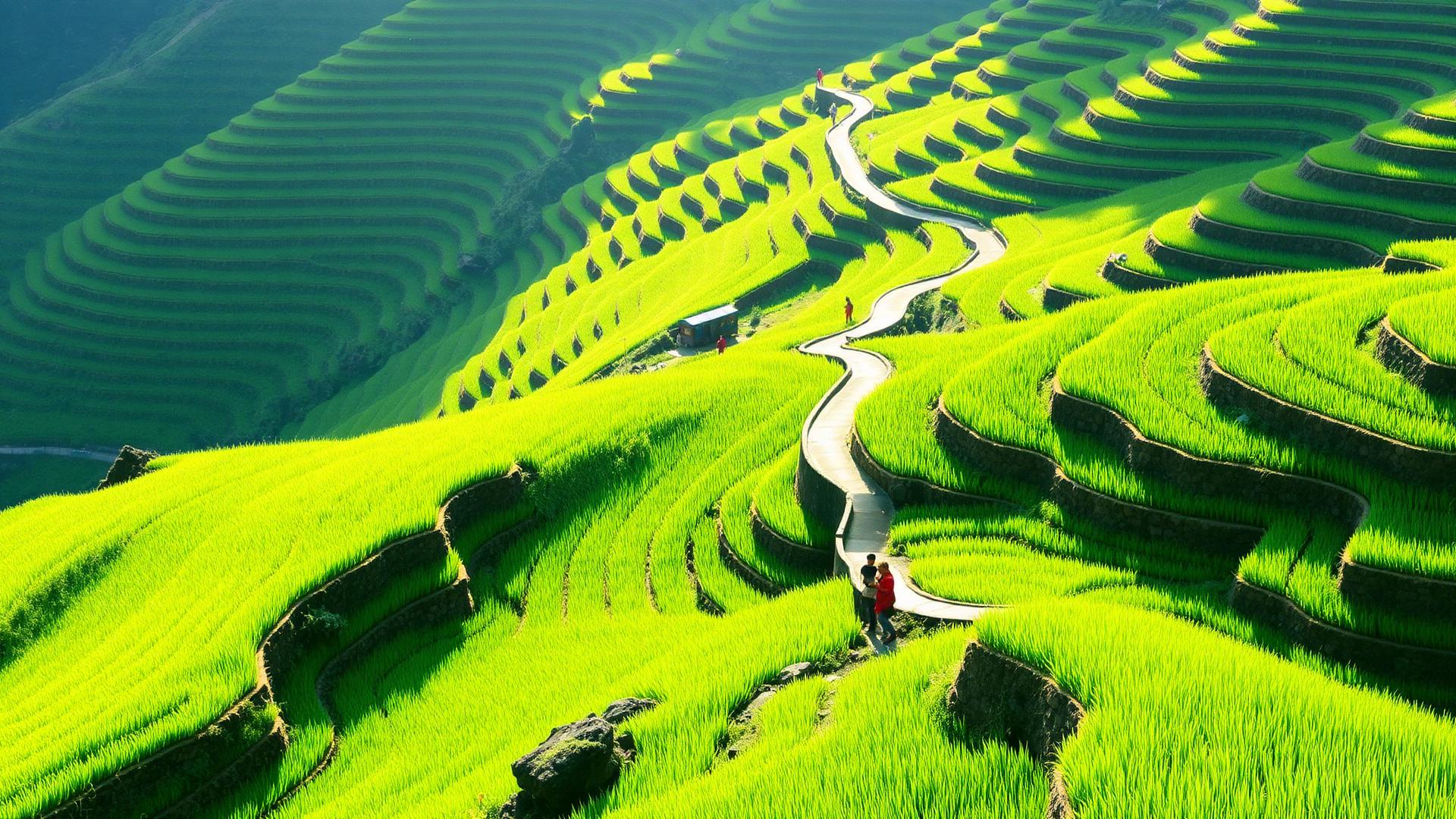
Village life on a Himalayan slope
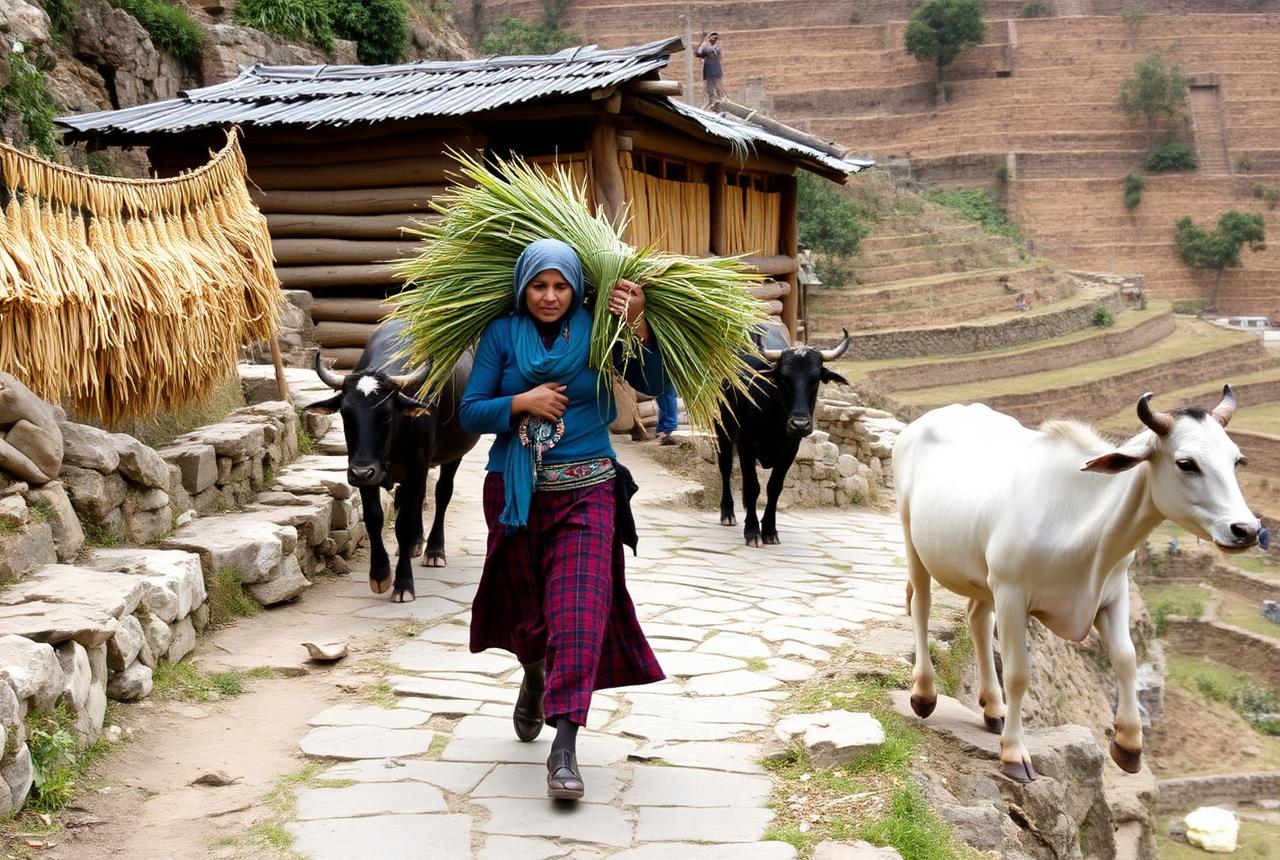
Daily life: grass, cattle, stone paths and terraces above the valley.

Life on a slope

Nothing here is flat. Fields are stacked as terraces, houses stand on stone plinths, and a neighbour's courtyard may be a hundred steps below yours. Maize, wheat, red rice, ginger, tomato, peas, apples and walnuts come out of small holdings worked by hand.

Winters are long and quiet — wood stacked, cattle indoors, families around the chulha. Monsoon turns the whole range emerald and cuts roads at the same time. Then the fairs begin, and the valley becomes one extended family again.

The Story

Evolution of the Hatti — from haats to today

Six chapters of a hill people: origin, trade, self-rule, struggle, recognition, and change.

🪵
01 · Ancient roots

Born of the Shivaliks

The Trans-Giri tract — the land beyond the Giri river in district Sirmaur — has been home to the Hatti community for centuries. Living on steep ridges of the Outer Himalayas, they built a life out of forest, terrace and stone long before roads reached these slopes.
🧺
02 · The name

Why 'Hatti'

The name comes from 'haat' — the small hill markets. Hatti men would carry home-grown grain, ginger, herbs, wool and vegetables down the ridges to sell at the haats of Sirmaur, Shimla and the Jaunsar belt. Trader by necessity, farmer by birth.

🏔️
03 · Old society

Khumbli and the code of the hills

Village life ran on the Khumbli — a traditional council of elders that settled disputes, fixed festival dates and shared collective labour. Community came before individual; a house was raised by the whole village, and a harvest was gathered the same way.

🥾
04 · The struggle

Distance as destiny

For generations, education meant walking hours to a school, healthcare meant a stretcher over a ridge, and a bad monsoon meant a broken link road. Hard winters, migration for work, and isolation from the plains shaped a people who are stubbornly self-reliant.

📜
05 · Recognition

A long demand answered

After a demand carried across nearly six decades, the Hatti community of Trans-Giri Sirmaur was granted Scheduled Tribe status — the same recognition long held by the neighbouring Jaunsar-Bawar community across the Tons in Uttarakhand.

🌱
06 · Today

Modern hands, mountain heart

Today the same families run cash-crop farming, ginger and tomato trade, transport, tourism homestays and shops — while children move to cities for degrees and jobs. The slate roofs are turning to concrete, but the Khumbli, the deities and the dances remain.

Where I grew up

Guila, in Kamrau

Kamrau is a sub-tehsil of the Trans-Giri area in district Sirmaur, on the Paonta Sahib – Shillai road along the Giri valley. Guila is one of the small villages on its ridges — my home.

Geography

Kamrau lies roughly 1,000–1,800 m above sea level, between the Giri and Tons drainage, with pine and deodar forest above and river gorges below. Paonta Sahib is the nearest town and railhead corridor; Shillai, Ronhat and Haripurdhar sit further into the hills.

People

Almost every household belongs to the Hatti community, organised in khandans and villages that decide together through the Khumbli. Farming and small trade support most families, while a generation now works across Chandigarh, Delhi, Shimla and abroad.

Culture

The village calendar follows its deity: Jagra in monsoon, Bissu in spring, Budhi Diwali in late autumn, and Maghi in deep winter. Nati is danced by everyone, from children to grandparents, and a wedding still pulls in the whole valley.

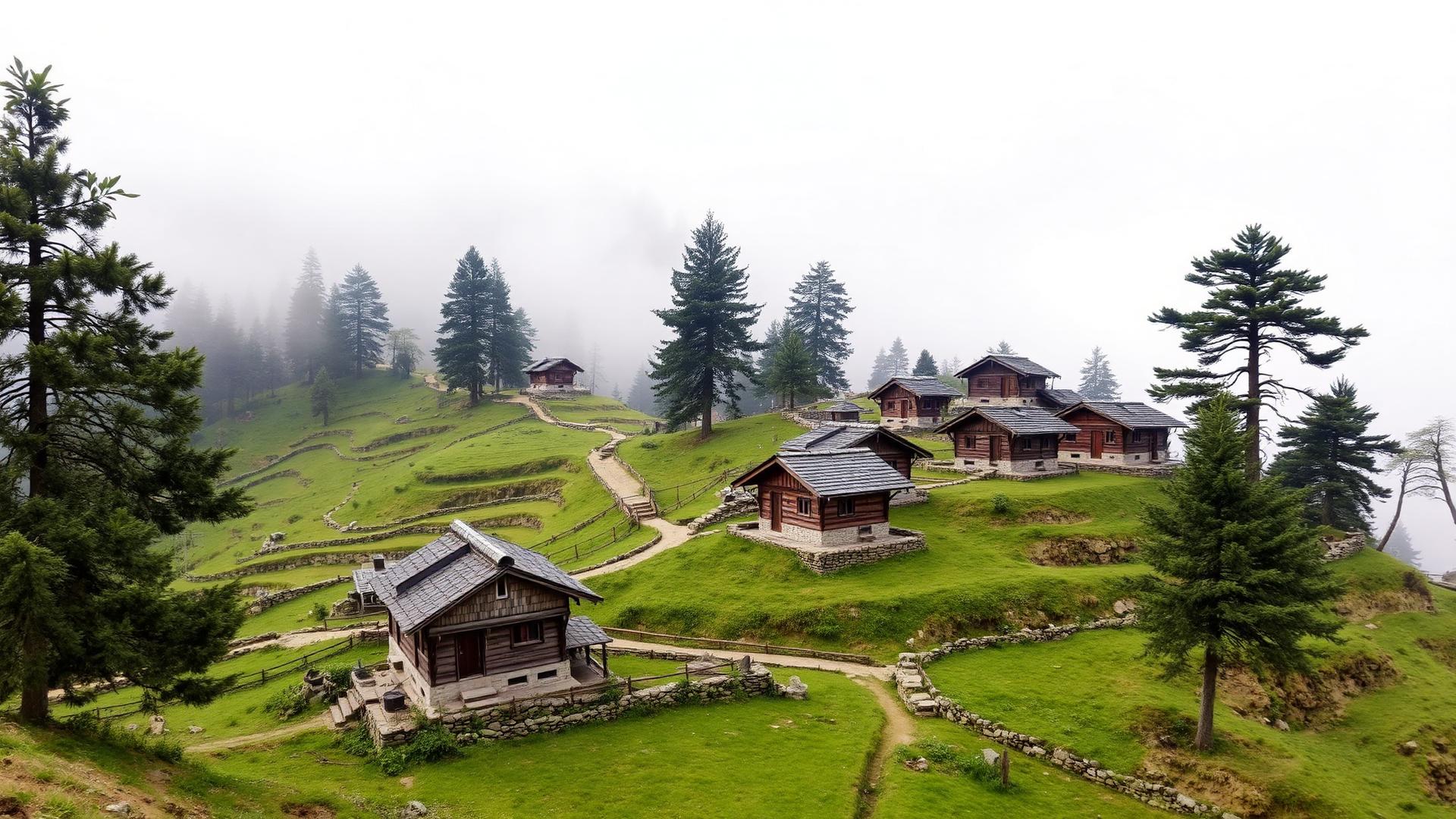
Slate-roof village on a green Himalayan ridge
Slate-roof homes on terraced ridges — the picture I grew up inside.

All year

Popular festivals of Trans-Giri

Pick a season to see what the valley is celebrating.

🔥Jan

Maghi / Magh Ro Saza

The biggest winter celebration of the Trans-Giri: month-long feasting, bonfires, walnut and rice dishes, folk songs and visits between relatives across villages.

Winter
🌾Jan

Makar Sankranti

Marks the turn of the sun. Ritual baths, offerings of til and jaggery, and the first of the season's community gatherings at the village temple.

Winter
🌸Mar–Apr

Bissu / Baisakhi

The hill new year. Village grounds fill with Nati dance, drums and archery-style games; deities are taken out in procession as fields wake up.

Spring
🛕Apr

Shirgul Jatar

Fairs in honour of Shirgul Maharaj (Churdhar), the presiding deity of Sirmaur — devotees walk in groups, carrying palanquins to the shrine.

Spring
🪘Jul–Aug

Jagra / Devta Jagra

Night-long vigils for the village deity with Hari-naubat drums, ritual songs and offerings — the most spiritually intense night of the year.

Monsoon
🎪Aug

Rakhi & Nalwari-style fairs

Cattle, produce and craft fairs after the sowing season, where the whole valley meets, trades and dances together.

Monsoon
🏹Sep–Oct

Dashehra & Bhaironj Puja

Ten days of temple rituals; local deities are honoured and community feasts are cooked in huge brass vessels (dham).

Autumn
🪔Oct–Nov

Diwali (Budhi Diwali)

The old Diwali — celebrated a month after the plains, with torch dances, masked performances, walnut throwing and Nati that carries on all night.

Autumn
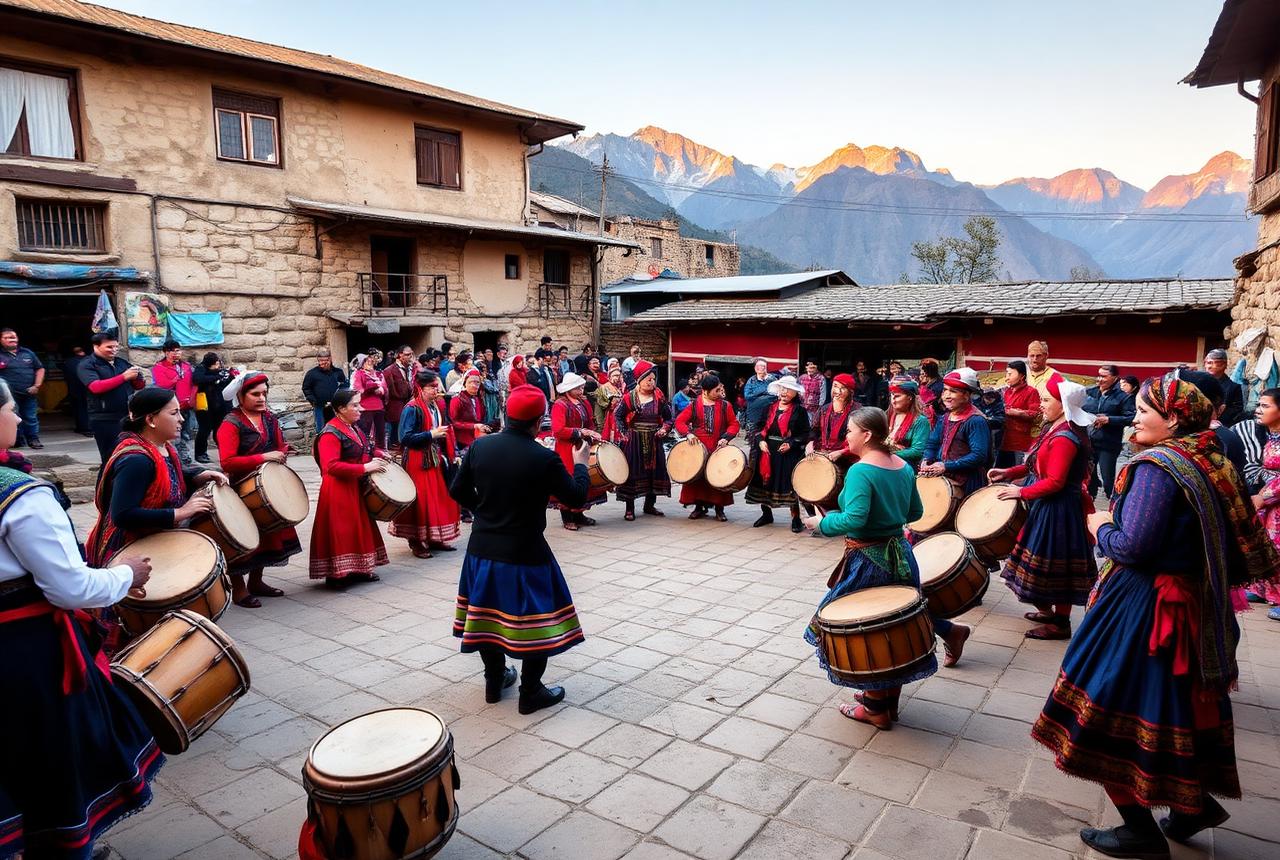
Village festival with drums and folk dance
Drums, dhatu, and a circle of Nati that does not stop until sunrise.

People & Religion

How a Hatti household lives

Language, dress, food, music, faith and the houses that hold it all together.

🗣️

Language

Everyday speech is Pahari — the Sirmauri / Giriwari dialects, close to the Jaunsari spoken across the Tons. Hindi is the language of school and paperwork.

🧥

Dress

Woollen loi and thick jackets, the Himachali topi, hand-woven pattu and colourful dhatu headscarves for women — cut for cold ridges, not for show.

🍲

Food

Dham feasts served on leaf plates, askali and patande, sidu, red rice, madra, ginger-heavy curries, walnut and buckwheat dishes, and salted butter tea in winter.

🪘

Music & dance

Nati in long circles, Rasa and Burrah performances, dhol-nagara, karnal and ransingha horns played by hereditary musicians at every jatar.

🛕

Faith

Devbhoomi in practice: Shiva as Shirgul, Bhangayani Mata, Bijat, Mahasu and local kul-devtas whose word — through the Khumbli and the gur — still guides village decisions.

🏡

Homes

Kath-kuni architecture — interlocked deodar beams and dry stone with slate roofs, an earthquake-wise craft now giving way to concrete.

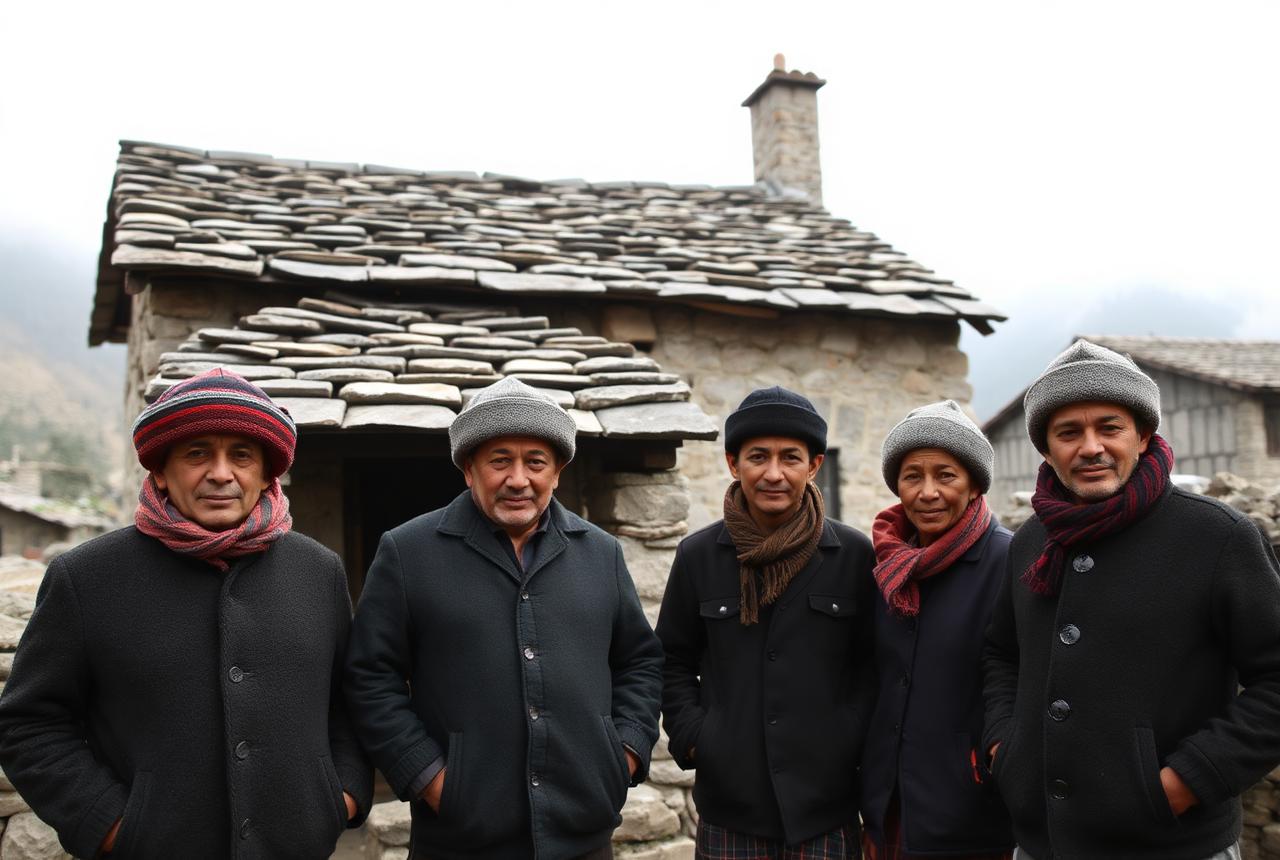
Hill villagers in traditional attire
Wool, caps and patience — people shaped by altitude.

Tourism

Sacred places & trails to visit

Shrines, lakes and ridges across Sirmaur that carry the faith of the region — and the best reasons to travel into the Trans-Giri.

Churdhar — Shirgul Maharaj

Churdhar — Shirgul Maharaj

Highest peak of the Outer Himalayas · 3,647 m

The abode of Shirgul Maharaj and the spiritual centre of Sirmaur. A demanding trek through deodar forest and meadows to a summit shrine with views from the Shivaliks to the snows.

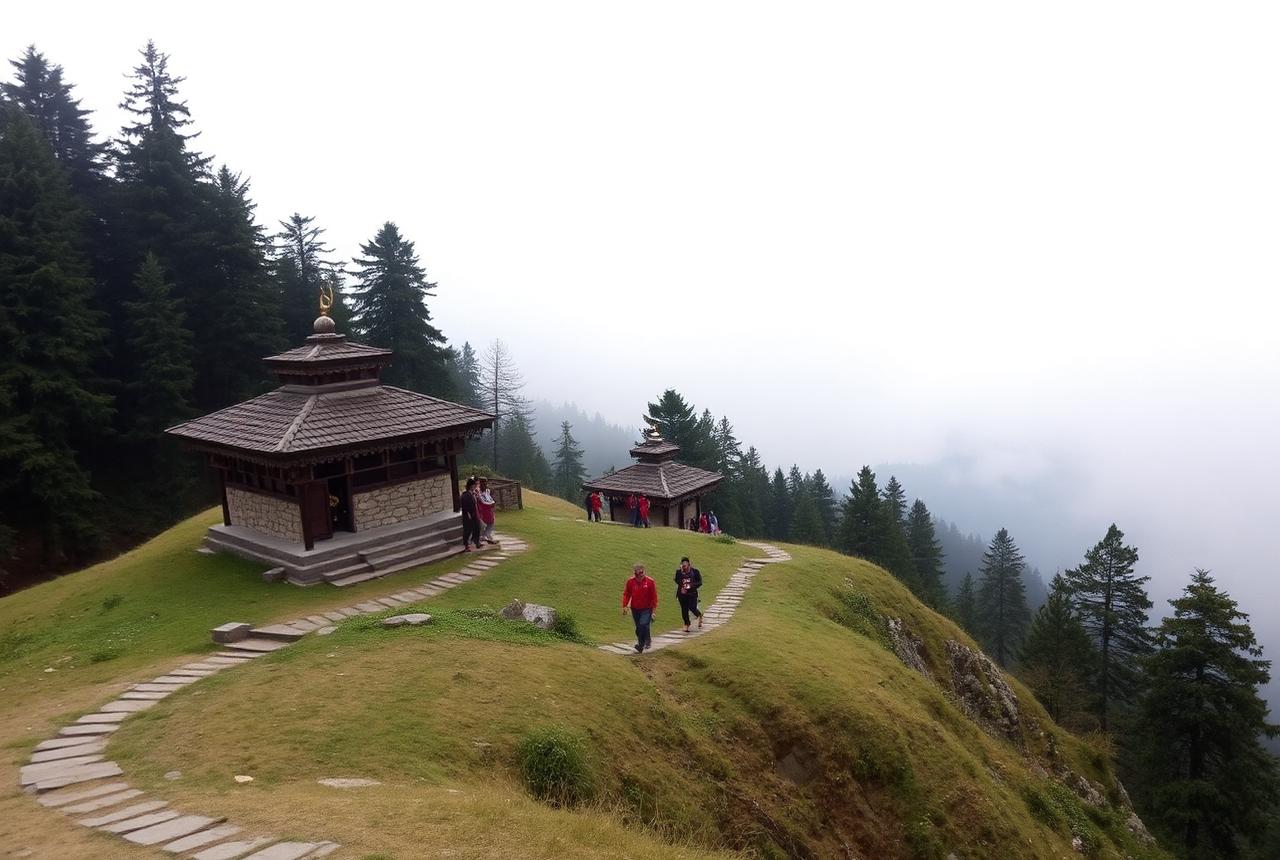
Haripurdhar — Bhangayani Mata

Haripurdhar — Bhangayani Mata

Sirmaur ridge · panoramic temple town

A hilltop temple of Mata Bhangayani, wrapped in cloud for most of the monsoon and one of the most visited pilgrim points of the Trans-Giri belt.

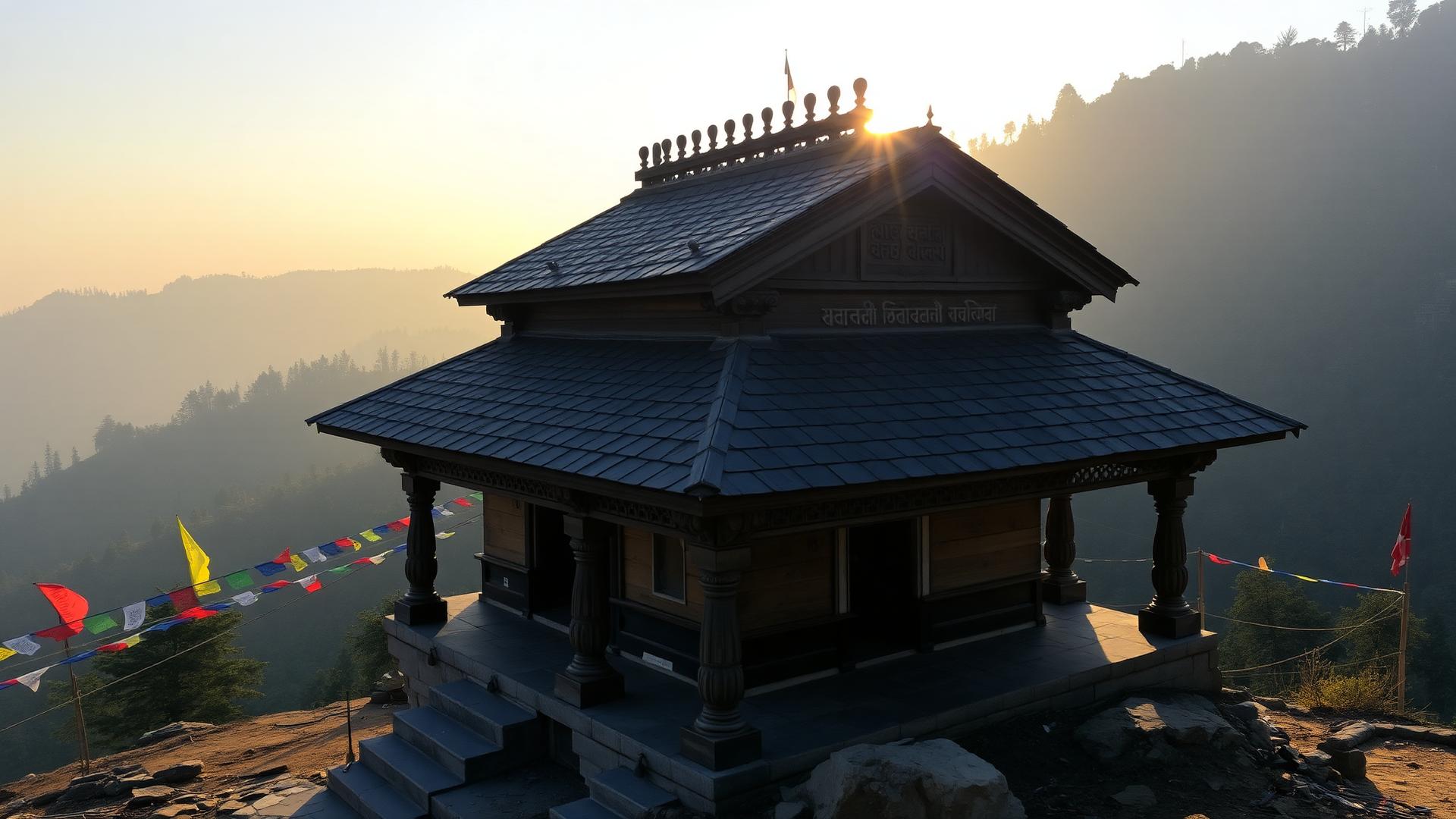
Shillai & Kamrau valley shrines

Shillai & Kamrau valley shrines

Trans-Giri · slate-roof wooden temples

Village temples in Himachali kath-kuni woodwork, each with its own deity, Khumbli, drums and annual jatar — the true living heart of the culture.

Renuka Ji Lake

Renuka Ji Lake

Sirmaur · sacred lake & fair

Himachal's largest natural lake, shaped like a reclining woman, with a famous November fair — a short journey from the Trans-Giri valleys.

Trilokpur & Paonta Sahib

Trilokpur & Paonta Sahib

Lower Sirmaur · temple and gurudwara

Trilokpur's Bala Sundari temple and the Yamuna-side Gurudwara at Paonta Sahib — the gateway shrines travellers cross on the way into the hills.

Ronhat, Nohradhar & Giri banks

Ronhat, Nohradhar & Giri banks

Trekking · homestays · nature trails

Base points for treks, riverside camps and homestay tourism where the Hatti kitchen, dham food and folk music are experienced first-hand.